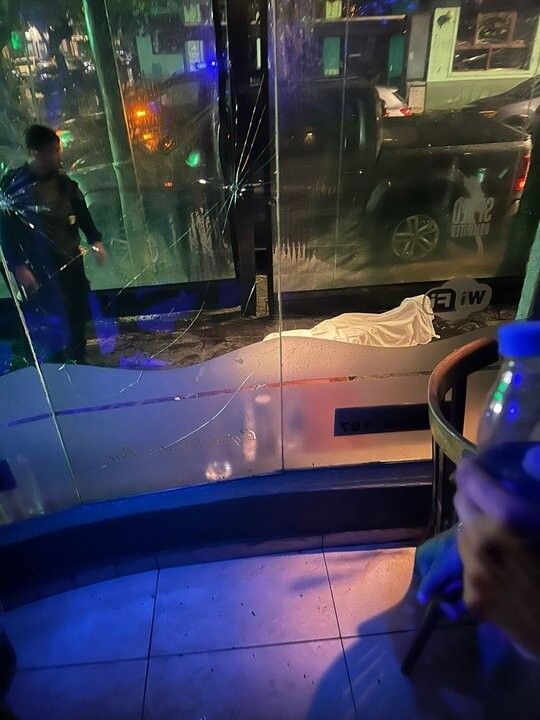
San Miguel is once again sounding the alarm, this time following the death of Alexis Oscar Rogers at the entrance to the 'Sutton' venue. This incident cannot be read as an isolated event. Rogers' death, reportedly caused by mechanical asphyxiation, has led to the detention of four security guards. However, the case has raised deeper questions about the district's system of nightlife controls. Rumors suggest that 'Sutton', while presented as a bar-restaurant, was in fact operating as a dance club, creating a legal gray area. The San Miguel municipality has provisionally closed the establishment and provided public cameras to the investigation. But the core issue appears to be a culture of controls that only reacts after tragedies occur, rather than preventing them. The history of San Miguel is filled with alarming precedents. In 2020, Lucía Costa Osores died after a table centerpiece exploded at 'Zar Burgers'. In the same year, 16 elderly residents died during a coronavirus evacuation of a nursing home. In 2023, two elderly people died in an unlicensed nursing home in Muñiz. Another example is a charcoal business on Isabel La Catolica Street, which neighbors claim operates without a permit, causes traffic disruptions, and is a hazard for people with asthma, to which the municipality has turned a deaf ear. These cases paint a common picture: dubious permits, weak state oversight, and tragedies that unfold only after the damage is done. The Rogers case could become more than just a homicide investigation; it could trigger a political and administrative reckoning with a system that allows such events to happen.

San Miguel: Death in Bar Exposes Systemic Control Failures
The death of a man outside the 'Sutton' bar in San Miguel has prompted an investigation not only into the incident itself but also into the city's permitting and control systems. A series of local tragedies points to a systemic issue: authorities only react after disasters occur.